Source Handmade Woven Paracord Carabiner for Outdoor, Sport, and Keychain
Find 30 handmade woven paracord carabiner options for outdoor gear, sports accessories, and keychains. Compare metal alloy and polyester materials, custom logo capabilities, and shipping methods from Zhejiang suppliers to source the right gear for your needs; compare the available evidence and request quotations based on your requirements.
Key considerations
Products List
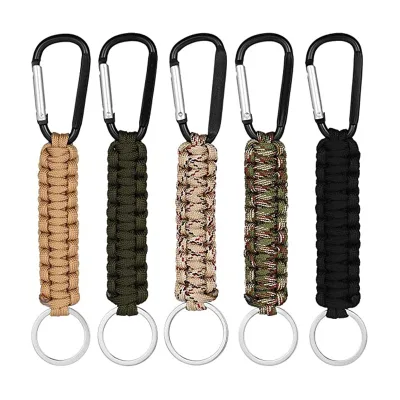
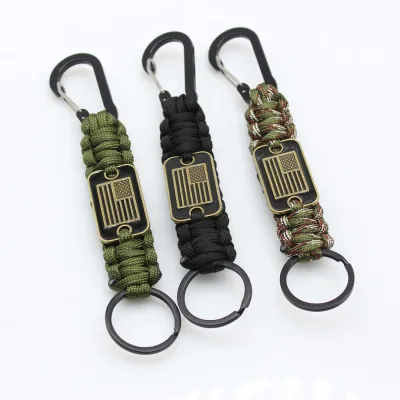
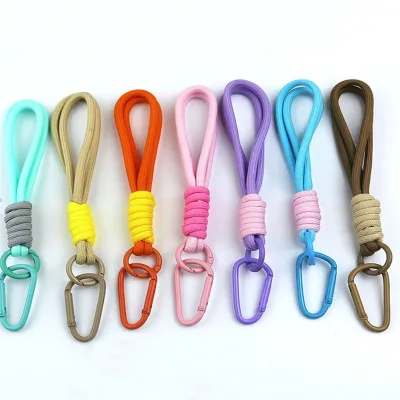


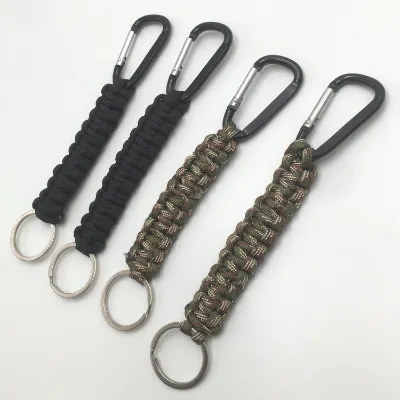
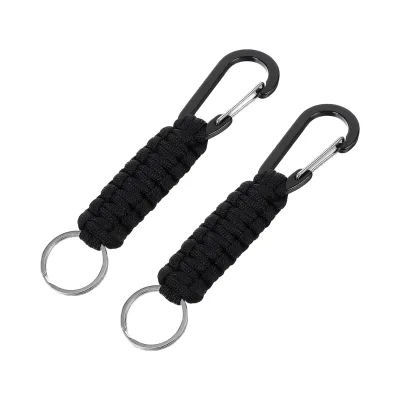
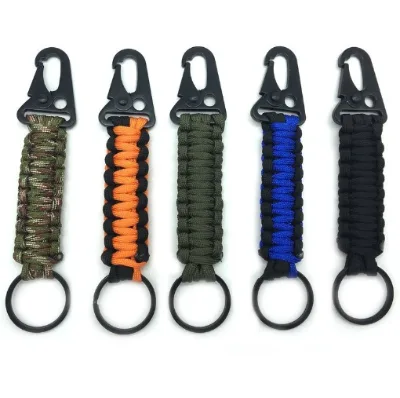
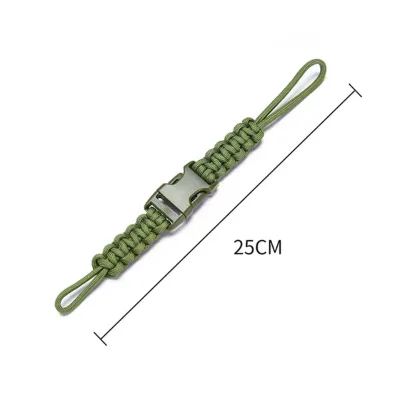

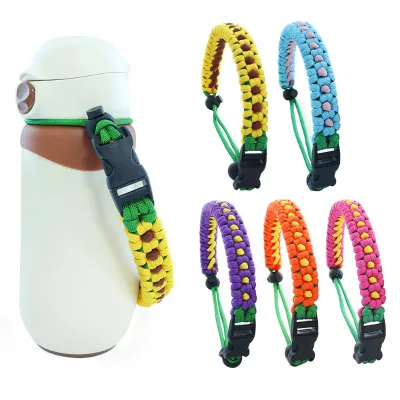



Comprehensive Sourcing Guide
Handmade Woven Paracord Carabiner Sourcing Guide
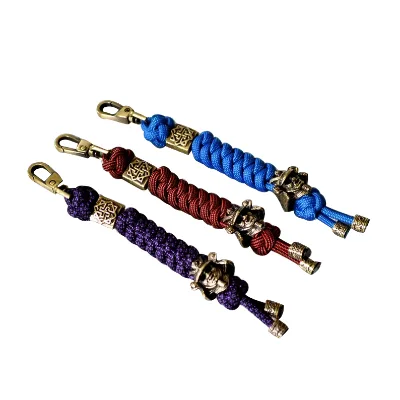
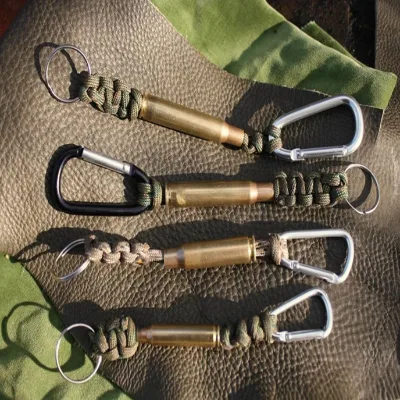
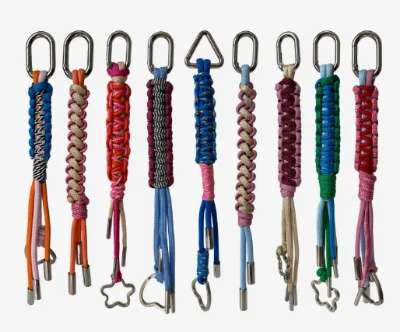
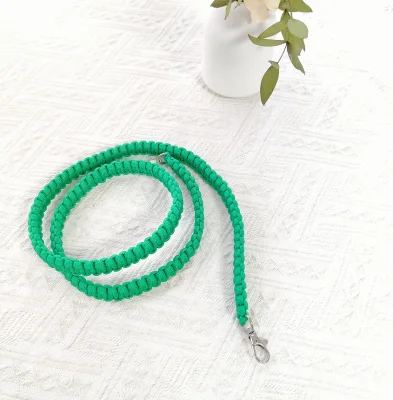
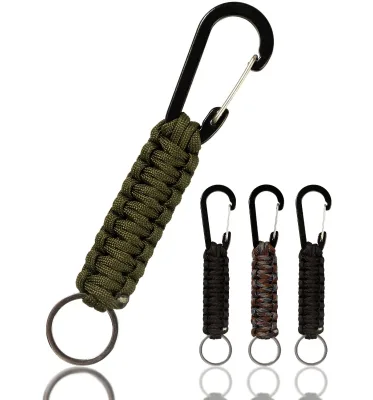
Sourcing handmade woven paracord carabiners requires a nuanced understanding of the intersection between traditional craft techniques and modern utility hardware. These items are typically categorized as promotional gifts, outdoor accessories, or tactical gear components, depending on the specific design and intended use case. Buyers must recognize that the "handmade" or "hand woven" designation implies a labor-intensive production process that differs significantly from mass-produced injection-molded plastic alternatives. This manual aspect often results in slight variations in weave tightness and symmetry, which are characteristic of artisanal goods rather than defects. Understanding this distinction is crucial for setting realistic quality expectations and avoiding unnecessary rejection of valid production batches.
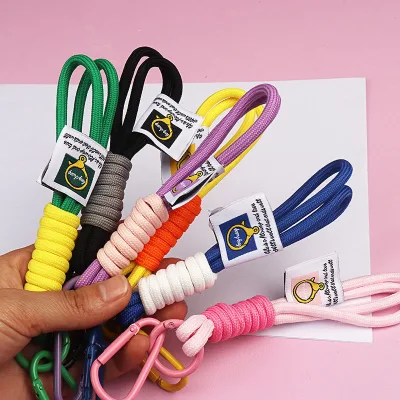
The market for these products is diverse, ranging from simple keychains to more complex multi-functional tools that may include bottle openers or carabiner clips. Suppliers often offer customization options, including custom logos and specific color schemes, which can appeal to corporate gifting markets or specialized outdoor enthusiast groups. However, the complexity of the weaving process can impact lead times and minimum order quantities (MOQs). Buyers should be prepared for longer sample times, typically around seven to ten days, and production lead times that may extend to fifteen days or more. This timeline reflects the careful attention required to ensure each woven piece meets the desired aesthetic and functional standards.
Product Scope and Observed Listing Signals
Current market listings indicate a wide range of product types under this keyword, including bottle opener keychains and standard carabiners. The observed price range is notably low, spanning from $0.03 to $5.50 USD, which suggests a highly competitive market with varying levels of material quality and craftsmanship. Minimum order quantities vary significantly, from as low as three pieces to as high as 37,000 pieces, indicating that suppliers cater to both small-batch custom orders and large-scale promotional campaigns. Buyers should carefully evaluate whether the low MOQs are associated with higher unit prices or if bulk discounts are available for larger orders, as this will impact the overall cost structure of the procurement.
Material composition is a critical factor in defining the product scope. Listings frequently mention materials such as metal alloys, polyester, and iron, often combined in a single product. For instance, some items feature a metal alloy body with polyester paracord weaving, while others may use iron components. The presence of "no PVC" in some descriptions highlights a growing demand for safer, non-toxic materials, particularly for products intended for children or outdoor use. Additionally, techniques such as digital printing, silk screen printing, and letterpress printing are offered for logo customization, allowing buyers to tailor the visual appearance of the product to their brand identity.
Technical Specifications to Verify
When verifying technical specifications, buyers must pay close attention to the dimensions and weight of the final product. Observed data shows single package sizes ranging from 5x2x2 cm to 10x2x1 cm, with total lengths varying between 16-18 cm. The single gross weight is typically light, around 0.01 to 0.022 kg, which is important for calculating shipping costs, especially for air freight methods like DHL, UPS, or FedEx. Buyers should request detailed technical drawings or physical samples to confirm that the dimensions meet their specific requirements, as even small deviations can affect compatibility with other gear or packaging constraints.
The weaving technique and structural integrity are paramount for functional carabiners. While some listings describe the technique as "hand woven" or "handmade," buyers should verify the tensile strength and load-bearing capacity of the woven paracord. It is essential to confirm whether the paracord is securely attached to the metal component and whether the weave pattern provides sufficient durability for intended applications, such as outdoor sports or tactical use. Additionally, the shape of the product, often described as irregular or simple, should be assessed for ergonomic comfort and ease of use. Buyers should also check if the metal type, such as alloy or iron, is resistant to corrosion, especially if the product is intended for outdoor environments.
Compliance and Safety Documentation
Compliance and safety are critical considerations, particularly for products marketed as eco-friendly or intended for general consumer use. Some suppliers list certifications such as EN 71, CE, and ROHS, which indicate adherence to specific safety and environmental standards. However, buyers must verify the validity and scope of these certifications, as they may apply only to specific components or materials rather than the entire product. For instance, the "no PVC" claim suggests compliance with certain environmental regulations, but buyers should request supporting documentation to confirm that all materials used are free from harmful substances.
In the context of promotional items or gifts, safety standards are particularly important to avoid liability issues. Buyers should ensure that the product does not have sharp edges or small parts that could pose a choking hazard, especially if the target audience includes children. Additionally, the durability of the product should be assessed to prevent breakage during normal use, which could lead to injury or product failure. Buyers should also consider the environmental impact of the packaging, which is often described as simple OPP bags, and explore options for more sustainable packaging solutions if required by their corporate social responsibility policies.
Cost Drivers and Commercial Terms
The cost of handmade woven paracord carabiners is influenced by several factors, including material costs, labor intensity, and customization requirements. The low observed price range suggests that basic models are highly commoditized, but prices can increase significantly with complex designs, custom logos, or premium materials. Buyers should negotiate clearly on unit prices based on order volume, as MOQs can vary widely. It is also important to clarify whether the quoted price includes shipping costs, as shipping methods like DHL, UPS, or sea freight can add substantial costs, especially for larger orders.
Payment terms and delivery times are other key commercial considerations. Suppliers often accept payment methods such as Trade Assurance, PayPal, Western Union, or TT, each with different levels of buyer protection and processing fees. Delivery times typically range from seven to fifteen days, but this can be extended during peak seasons or for custom orders. Buyers should establish clear agreements on lead times and penalties for delays to mitigate supply chain risks. Additionally, understanding the sample policy, including costs and lead times for samples, is crucial for evaluating product quality before committing to a large order.
Supplier Qualification and Quality Control
Supplier qualification is essential to ensure consistent quality and reliable delivery. Buyers should verify the supplier's production capabilities, including their experience with handmade weaving techniques and their ability to handle custom orders. Checking the supplier's location, often in Zhejiang, China, can provide insights into their supply chain efficiency and access to raw materials. Buyers should also assess the supplier's quality control processes, including how they inspect woven products for defects and ensure consistency across batches. Requesting references or case studies from previous clients can provide additional confidence in the supplier's reliability.
Quality control measures should be implemented throughout the production process, from raw material inspection to final packaging. Buyers should define clear quality standards, including acceptable levels of variation in weave pattern, color consistency, and structural integrity. Conducting pre-shipment inspections or hiring third-party inspection services can help identify and rectify issues before the goods are shipped. Additionally, establishing a clear communication channel with the supplier for addressing any quality concerns or modifications is crucial for maintaining a productive partnership. Buyers should also consider the supplier's responsiveness and willingness to accommodate changes or resolve disputes promptly.
Long-Term Procurement Checks
Long-term procurement success depends on building a sustainable and resilient supply chain. Buyers should regularly review supplier performance metrics, including on-time delivery rates, product quality consistency, and responsiveness to issues. Establishing a long-term partnership with a reliable supplier can lead to better pricing, priority production slots, and improved collaboration on new product developments. Buyers should also stay informed about market trends and technological advancements in paracord weaving and carabiner design to remain competitive. Regularly updating product specifications and requirements based on customer feedback and market demands is essential for maintaining product relevance.
Risk management is another critical aspect of long-term procurement. Buyers should diversify their supplier base to mitigate the risk of supply disruptions due to geopolitical, environmental, or operational issues. Developing contingency plans for potential supply chain disruptions, such as alternative shipping routes or backup suppliers, can help ensure business continuity. Additionally, buyers should monitor regulatory changes and compliance requirements in their target markets to avoid legal issues and ensure ongoing product eligibility. By proactively managing these risks and maintaining strong supplier relationships, buyers can secure a stable and cost-effective supply of handmade woven paracord carabiners for their business needs.
FAQs
What materials are used for the handmade woven paracord carabiner?
The product is constructed from metal alloy and polyester materials. Specific metal types include alloy and iron, while the weaving technique is described as handmade. This combination ensures durability for outdoor and sport applications while maintaining a lightweight profile for daily carry.
Can I request a custom logo on the handmade woven paracord carabiner?
Yes, custom logo acceptance is confirmed for this product line. Buyers can utilize digital printing, letterpress printing, or silk screen printing methods to apply branding. This customization option allows for personalized designs suitable for promotional events or corporate gifting purposes.
How long does it take to receive samples of the handmade woven paracord carabiner?
Sample preparation requires approximately 7 to 10 days to complete. Once the sample is ready, delivery typically takes an additional 7 to 15 days depending on the shipping method selected. Buyers can choose from various carriers like FedEx, DHL, or UPS for expedited transport.
What is the minimum order quantity for the handmade woven paracord carabiner?
The minimum order quantity ranges from 3 pieces to 5 pieces depending on the specific model selected. Some listings indicate a low entry point of 3 pieces, while others set the threshold at 5 pieces. This flexibility accommodates both small trial orders and larger bulk procurement needs.
Which certifications apply to the handmade woven paracord carabiner product?
The product holds certifications including EN 71, CE, and ROHS standards. These certifications verify safety and compliance for international markets, particularly for items used in outdoor or sport contexts. Buyers can rely on these documented standards when assessing product suitability for regulated environments.
How is the handmade woven paracord carabiner packaged for shipment?
Each item is individually packed in one OPP bag to ensure protection during transit. The single package size measures approximately 5x2x2 cm or 10x2x1 cm depending on the specific model. This compact packaging helps reduce shipping volume while keeping the product secure until it reaches the buyer.
What payment methods are accepted for the handmade woven paracord carabiner?
Accepted payment options include Trade Assurance, PayPal, Western Union, and Telegraphic Transfer. These methods provide secure transaction channels for international buyers. The platform also supports Assurance orders to protect both parties during the purchasing process and ensure timely delivery of goods.